“big grain” search results (600)
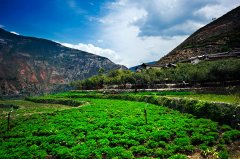
The Legend of Coffee in Zhukula Village, Dali, Yunnan Province
When it comes to the history of Chinese coffee, we have to mention Yunnan Dali Zhukula Coffee, which plays a vital role in the history of Chinese coffee. The ancient coffee forest in Zhukula Village is a unique variety of small-grain coffee in Yunnan. It is very rare and of excellent quality. It can be called a living fossil of Chinese coffee. In today's program, we will explore the century-old coffee legend of Zhukula Village. Zhu
2015-05-21 Yunnan Dali Zhu Kula century coffee legend speaking of China history
Chinese Coffee Culture Coffee Legend of Zhukula Village, Dali, Yunnan Province
When it comes to the history of Chinese coffee, we have to mention Yunnan Dali Zhukula Coffee, which plays a vital role in the history of Chinese coffee. The ancient coffee forest in Zhukula Village is a unique variety of small-grain coffee in Yunnan. It is very rare and of excellent quality. It can be called a living fossil of Chinese coffee. In today's program, we will explore the century-old coffee legend of Zhukula Village. Zhu
2014-11-19 Coffee culture Chinese coffee culture Yunnan coffee coffee legend
Fine Coffee Science explains the characteristics of coffee beans in detail
Does the judgment of coffee beans begin with seeing, smelling and peeling pressure? In fact, the so-called see-smell peeling pressure is to judge whether the coffee beans are fresh or not, which is the most basic element of making a good cup of coffee, because only fresh coffee beans can make a good cup of coffee. Fresh coffee beans are full of aroma, have no soft feeling of regaining moisture, and have a crisp voice when crushed. In addition, good experts will also use coffee.
2014-10-29 Coffee knowledge boutique coffee science coffee beans
Coffee Culture the Biography of Coffee in Zhukula Village of Yunnan Province
When it comes to the history of Chinese coffee, we have to mention Yunnan Dali Zhukula Coffee, which plays a vital role in the history of Chinese coffee. The ancient coffee forest in Zhukula Village is a unique variety of small-grain coffee in Yunnan. It is very rare and of excellent quality. It can be called a living fossil of Chinese coffee. We went to explore the century-old coffee legend of Zhukula village. Zhu Kula, located in Yunnan Province
2014-10-14 Coffee culture Yunnan coffee culture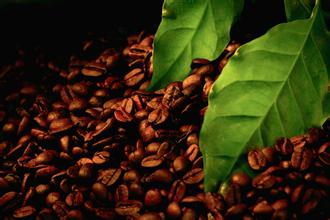
Introduction of Mantenin Flavor description and Grinding degree of three Coffee Brands in three Islands of Indonesia
Sumatra, the second largest island in the Indonesian archipelago, is the center of Indonesia's oil industry, and its rubber and timber are also famous exports. However, the coffee in Sumatra is more eye-catching, which is similar to Java coffee, but with slightly heavier grains. The coffee beans of Mandheling and Ankola are also valued, and the former is even praised.
2016-10-15 Indonesia Mishima Big three Coffee Brand Mante Flavor description Grinding introduction
Classification standard of coffee raw beans for fine coffee
There are two ways to classify raw coffee beans, one is the filter number, and the other is the elevation. It is divided by the number of the filter screen, and the size is in the unit of the screen (size). Round beans are generally smaller than flat beans, between 8-13 and 12-29. 8, 9, 10. 12, 13. 18. 29 = small, medium, ordinary. Quasi-big. Big, extra large. The bigger the size, the bigger the beans. Like SC.
2014-09-03 Coffee knowledge boutique coffee beans coffee raw beans coffee bean grading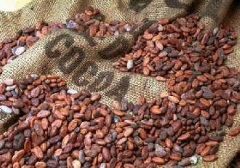
Three major coffee brands created in the three islands of Indonesia
The best growing areas in the whole Indonesian archipelago are in Java, Sumatra and Sulawesi. The three islands founded three major coffee brands, namely, Mantenin Coffee, which is produced in Sumatra, Indonesia, with a moderate sour taste and strong aroma; Java Coffee, which is produced in Java, Indonesia, and belongs to Arabica Coffee; and Sulawesi Coffee, full-grained and fragrant
2015-06-17 Indonesia three islands three big coffee brand coffee beans the whole archipelago okay
Quality coffee beans, knowledge, classification of raw coffee beans
There are two ways to classify raw coffee beans, one is the filter number, and the other is the elevation. It is divided by the number of the filter screen, and the size is in the unit of the screen (size). Round beans are generally smaller than flat beans, between 8-13 and 12-29. 8, 9, 10. 12, 13. 18. 29 = small, medium, ordinary. Quasi-big. Big, extra large. The bigger the size, the bigger the beans. Like SC.
2015-01-04 Boutique coffee beans knowledge coffee raw beans grading methods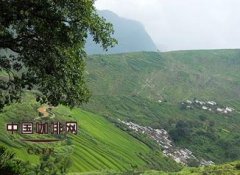
Chinese Coffee Culture the Legend of Coffee in Zhukula Village, Yunnan Province
When it comes to the history of Chinese coffee, we have to mention Yunnan Dali Zhukula Coffee, which plays a vital role in the history of Chinese coffee. The ancient coffee forest in Zhukula Village is a unique variety of small-grain coffee in Yunnan. It is very rare and of excellent quality. It can be called a living fossil of Chinese coffee. We went to explore the century-old coffee legend of Zhukula village. Zhu Kula, located in Yunnan Province
2015-02-09 China coffee culture Yunnan Zhu Kula coffee Zhuan speaking of
The variety and style of Typica Tibikati pickup truck
Tiebika (Typica Tibikati pickup) is the species name of coffee beans and is one of the oldest varieties of Arabica. Iron pickup, also known as the old variety of small-grain coffee, its yield is less, cultivation is difficult, so the price is much higher than ordinary small-grain coffee. Tibica coffee, native to Ethiopia and southeastern Sudan, is the most widely cultivated in the Western Hemisphere.
2016-02-25 Tiebi Typica pickup variety style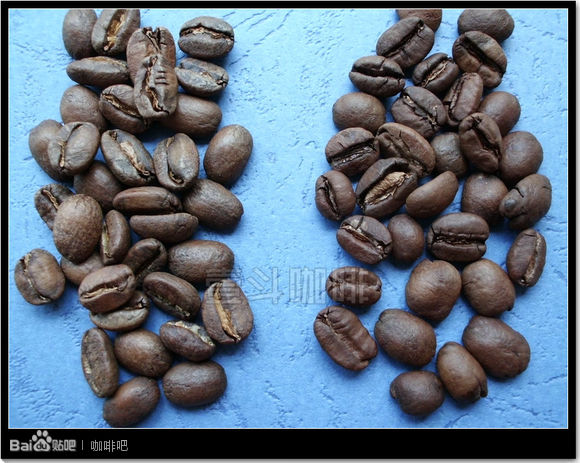
Coffee variety Pacamara Variety Origin Variety Flavor
Variety origin Pacamara is an artificial hybrid of Pacas and Maragogype, which was first bred by Salvadoran research institutions in the 1950s (mostly 1958). The new variety is considered to be the result of the pursuit of large grain Arabica species and inherits the good characters of the parent plant. Pacas is a Salvadoran variety of Bourbon and inherits bourbon.
2016-04-06 Coffee variety parka Mara Pacamara producing area origin flavor
Grading of raw coffee beans
There are two ways to classify raw coffee beans, one is the filter number, and the other is the elevation. It is divided by the filter number, and the size is size in terms of the screen size. Round beans are generally smaller than flat beans, between 8-13 and 12-29. 8, 9, 10. 12, 13. 18. 29 = small, medium, ordinary. Quasi-big. Big, extra large. The bigger the size, the bigger the beans. Like SC-.
2014-07-01 Raw beans raw coffee beans coffee beans grading
Common sense of Coffee Culture Coffee Legend of Zhukula Village in Yunnan Province
When it comes to the history of Chinese coffee, we have to mention Yunnan Dali Zhukula Coffee, which plays a vital role in the history of Chinese coffee. The ancient coffee forest in Zhukula Village is a unique variety of small-grain coffee in Yunnan. It is very rare and of excellent quality. It can be called a living fossil of Chinese coffee. We went to explore the century-old coffee legend of Zhukula village. Zhu Kula, located in Yunnan Province
2015-03-09 Coffee culture common sense Yunnan Zhu Kula coffee legends speaking of China
Fine Coffee Science explains the nouns of coffee in detail.
[source] basic source of medicinal materials: seeds of small fruit coffee, medium fruit coffee and large fruit coffee of Rubiaceae. Latin plant animal mineral name: 1.CoffeaarabicaL.2.CoffeacanephoraPierreexFroehn.3.CoffealibericaBul1.exH1en harvesting and storage: the pericarp begins to turn red and can be harvested. The harvest time varies with the species, and the small seeds are collected from September to November and from September to October.
2014-10-16 Coffee knowledge boutique caffeine coffee coffee encyclopedia
From 2012 to 2016, the development of the coffee industry ranked the top five coffee in the world as coffee consumption in China.
From 2012 to 2016, the coffee consumption market entered a period of rapid development. Coffee consumption in Chinese cities, the average annual coffee consumption per person is 4 cups, even in big cities such as Beijing and Shanghai, the annual consumption per person is only 20 cups. In Japan and Britain, each person drinks an average of one cup of coffee a day. Japan and Britain are both famous tea culture countries in the world.
2016-03-08 2012-2016 Coffee Industry Development Global Big five ranking medium
History of Coffee in China the Legend of Coffee in Zhukula Village, Dali, Yunnan
When it comes to the history of Chinese coffee, we have to mention Yunnan Dali Zhukula Coffee, which plays a vital role in the history of Chinese coffee. The ancient coffee forest in Zhukula Village is a unique variety of small-grain coffee in Yunnan. It is very rare and of excellent quality. It can be called a living fossil of Chinese coffee. In today's program, we will explore the century-old coffee legend of Zhukula Village. Zhu
2014-12-26 China Coffee History Yunnan Dali Zhu Kula hundred years Legend speaking of
Types and varieties of coffee
Coffee is a plant of the genus Coffea genus of Rubiaceae. According to the study of Chevalier,1947, there are 66 species in four groups, including 24 species in Eucoffea group, 18 species in Mascarocoffea group, 13 species in Paracoffea group and 11 species in Argocoffea group.
2014-07-22 Coffee knowledge coffee type coffee encyclopedia
Standard for grading of fine coffee beans, common sense coffee and raw beans
It is divided by the number of the filter screen, and the size is in the unit of the screen (size). Round beans are generally smaller than flat beans, between 8-13 and 12-29. 8, 9, 10. 12, 13. 18. 29 = small, medium, ordinary. Quasi-big. Big, extra large. The bigger the size, the bigger the beans. SC-19, for example, is the No. 19 bean. According to the elevation of the cultivated land, it can be divided into seven grades.
2015-01-13 Boutique coffee beans common sense coffee raw beans grading standards filtering number size
The History of Coffee in China the Biography of Coffee in Zhukula Village, Yunnan Province
When it comes to the history of Chinese coffee, we have to mention Yunnan Dali Zhukula Coffee, which plays a vital role in the history of Chinese coffee. The ancient coffee forest in Zhukula Village is a unique variety of small-grain coffee in Yunnan. It is very rare and of excellent quality. It can be called a living fossil of Chinese coffee. We went to explore the century-old coffee legend of Zhukula village. Zhu Kula, located in Yunnan Province
2014-12-01 China Coffee History Yunnan Zhu Kula Zhuan speaking of China
Types and varieties of coffee
Coffee is a plant belonging to the genus Coffea in the Rubiaceae family. According to Chevalier (1947), the genus Coffea is divided into four groups with 66 species, including 24 species in Eucoffea group, 18 species in Mascarocoffea group, 13 species in Paracoffea group and 11 species in Argocoffea group
2014-07-04 Coffee knowledge coffee types coffee varieties coffee encyclopedia